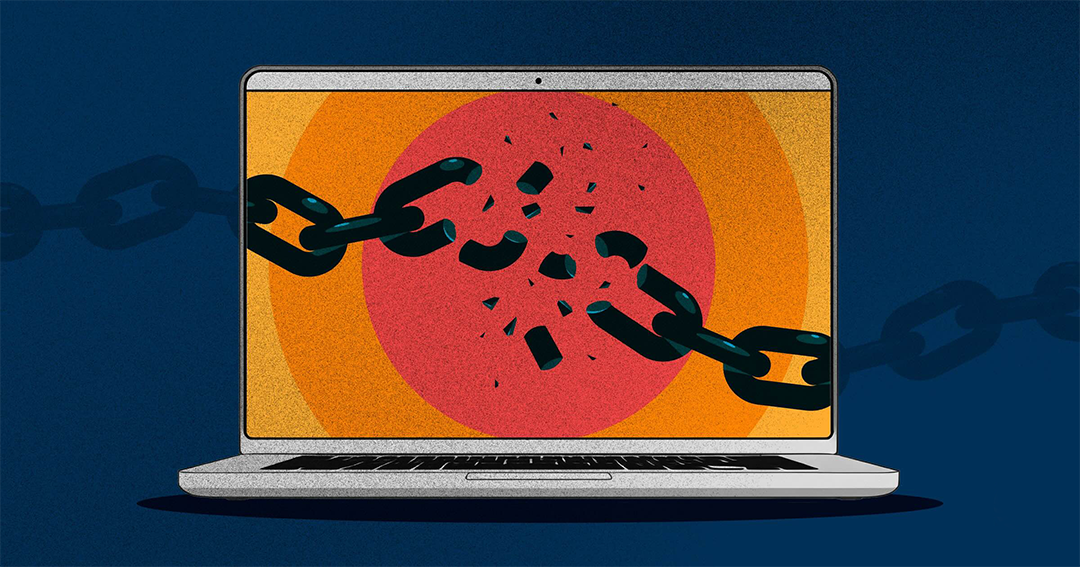

Every business starts on off-the-shelf software. It's fast, cheap, and good enough until it isn't. The tipping point rarely announces itself. It shows up as a spreadsheet someone maintains “temporarily,” an automation chain nobody dares to touch, or a monthly ritual of exporting from one tool to re-import into another.
The pattern is consistent across industries: when your process is unique, generic tools force you to behave like a generic business or to invent shadow systems around them.
Signs you've outgrown off-the-shelf
- Your team maintains spreadsheets alongside the tool to cover its gaps
- You pay for three products that each do part of one job
- Critical data lives in exports, not in a system of record
- Your process bends to fit the software, not the other way around
- Per-seat pricing punishes you for growing the team that needs access
“We used to ask who had the latest spreadsheet. Once everything lived in one system, the arguments about “the real numbers” mostly stopped.”
Custom doesn't have to mean risky
Horror stories about custom software usually share one root cause: teams start building before anyone agrees on what “done” means. Ambiguity gets expensive in week twelve, not week one.
A short discovery phase — users, constraints, success metrics, and a build-ready scope is often the highest-leverage spend in the whole project. Starting from a proven architecture pattern (modular services, clear data ownership, boring frameworks) reduces risk further without locking you into someone else's product roadmap.