
Integration debt compounds faster than feature debt. One brittle sync becomes five, and suddenly nobody wants to deploy on Friday or rotate a credential that “might break billing.”
Security incidents often start with an old API key that had broader access than anyone remembered.
Hardening checklist
- Least-privilege scopes per integration, never a god-mode key “for convenience”
- Secrets in a vault or secret manager, not in chat or repos
- Rotation schedule with a named owner and a tested runbook
- Webhook signatures verified; unknown events ignored and logged
- Inventory of integrations: system, owner, data classes, last reviewed
“We found a production key in a five-year-old wiki page. It still worked. That was our wake-up call.”
Make failure visible
Idempotent jobs, bounded retries, and searchable logs turn night-time fires into morning tickets. Silent sync failure is how finance discovers a problem at month-end.
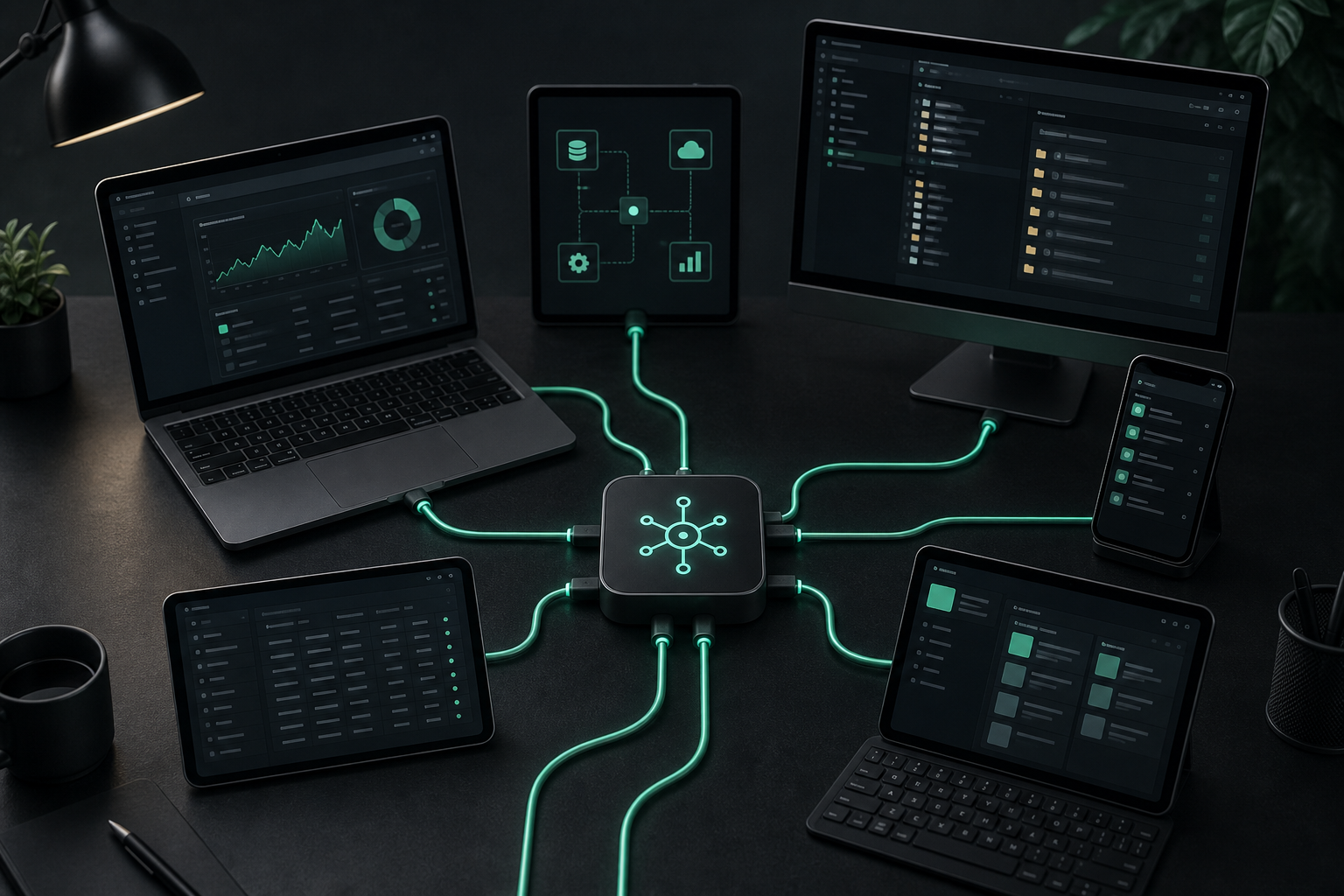
Keep a living diagram of systems and data flows. When a new tool arrives, you will know where it plugs in and what it must not break.

Healthy integration ops
Named
owner per integration
90d
max key age without review
Signed
webhooks only
Diagram
kept current each quarter